[ad_1]
Missile and drone attacks by Yemen’s Houthi rebels on Saudi Arabia have struck airports and energy sites, killed at least 14 people and kept schoolchildren and office workers at home, NBC News and The Independent reported. The strikes have also raised fresh risks for oil exports and shipping through the Red Sea.
The most serious attack hit Riyadh’s international airport on Saturday, killing 13 people and injuring more than 300, according to DW. A second attack on Sunday killed one more civilian and injured 11, DW said.
What changed for daily life and air travel
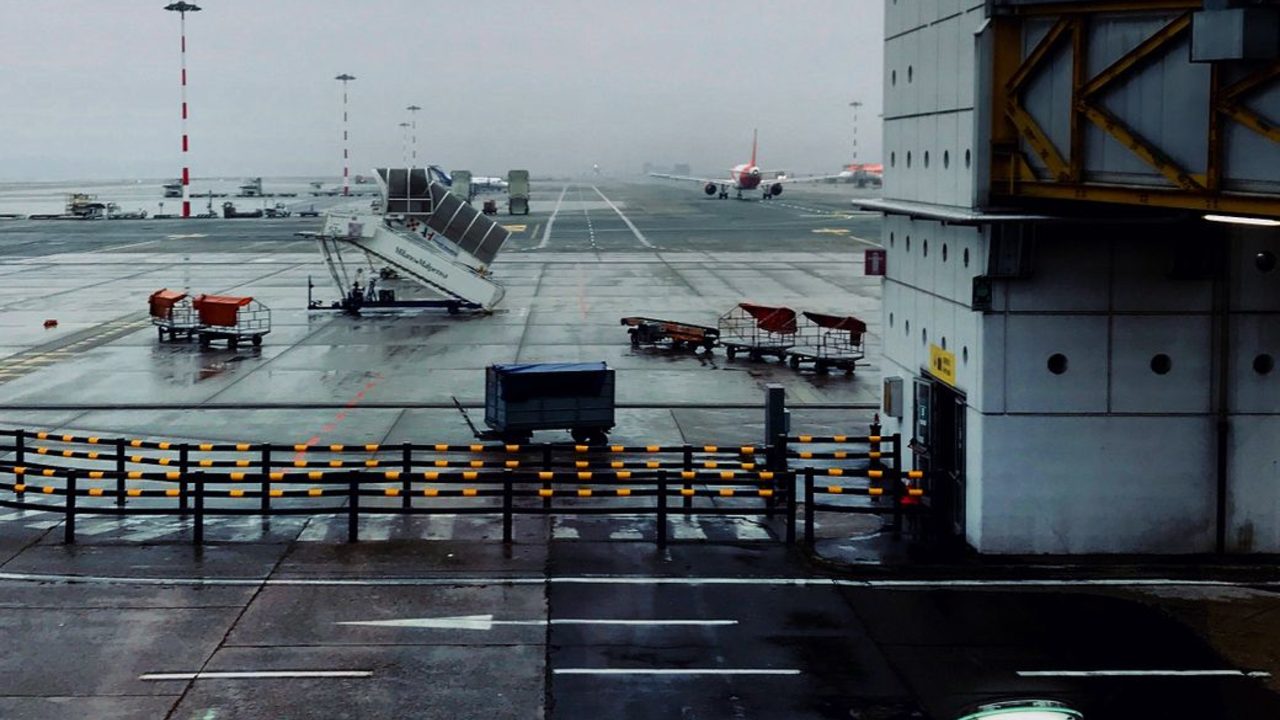
Airports have become a main target. Besides Riyadh, the Houthis said they also attacked the airport in Dammam, according to DW, which noted that these were the group’s own statements. NBC News reported that the attacks forced students and business workers to stay indoors and work from home.
Michael Ratney, a former U.S. ambassador to Saudi Arabia, said the kingdom had assumed the Houthis would not strike civilian sites such as airports. He called the shift “a paradigm shift.” Ratney is now an adviser at the Center for Strategic and International Studies.
What it means for oil and shipping
Saudi Arabia is the region’s top oil producer. DW reported that drones severely damaged the East-West oil pipeline in early September, temporarily halting it, disrupting exports and increasing risks for energy markets. The Houthis also said they hit two oil facilities within a 24-hour period, according to DW. Saudi Energy Minister Prince Abdulaziz bin Salman Al Saud warned of consequences for energy security and promised a strong response.
NBC News reported that the pipeline matters more because movement through the Strait of Hormuz is limited. The Houthis have also seized territory in Yemen near the Bab el-Mandeb, a key Red Sea waterway, adding pressure on Saudi oil exports. DW said the group increasingly controls the western coastline, from which it disrupts international shipping.
Why a rich arsenal has not stopped the strikes
Saudi Arabia is the world’s top buyer of American weapons, according to the Stockholm International Peace Research Institute. The think tank says the kingdom received 12% of all U.S. arms exports from 2021 to 2025. Its 2026 budget listed $83 billion for military spending, and earlier this year it struck a $9 billion deal with Washington for 730 Patriot missiles.
Size is one problem. Energy, civilian and military sites are spread across a sparsely populated country roughly three times the size of Texas, with a border with Yemen of more than 800 miles. Saudi analyst Ali Shihabi said that expecting any country of that size to intercept every missile is unrealistic. Regional officials told the reporters that Saudi Arabia is running low on interceptors and has asked allies for help.
The Houthis’ tactics are the other. Their arsenal can reach targets well over 1,000 miles away, and some warheads change course in flight. Andreas Krieg, a professor at King’s College London, said the group’s experience firing at Israel has taught it to overwhelm radars. The United Nations estimates the Houthis had recruited up to 350,000 fighters by 2024, up from 30,000 in 2015, and they now control roughly one-third of Yemen.
What this means for the region and the wider conflict
Analysts quoted by NBC News and The Independent say the Houthis do not need to defeat Saudi Arabia. Hurting its economy and spreading fear may be enough to gain leverage in any future talks. Marcus Schneider of the Friedrich Ebert Foundation told DW that Riyadh needs stability for its Vision 2030 reform plan, and that this is currently further away than ever.
Saudi Arabia says it is hitting back. Citing a report from the American Enterprise Institute dated Oct. 11, DW said Saudi military spokesman Turki al-Maliki reported 136 military targets destroyed. Years of Saudi-led intervention in Yemen from 2015 to 2022 did not defeat the Houthis, DW noted, and the coalition formed in 2015 has since fallen apart.
Analysts told the reporters that Riyadh will likely rely on airstrikes and support for Yemeni nationalist forces rather than its own ground troops. Krieg said, “It will be surrogate warfare.” Ratney said Saudi Arabia must respond but also look for a way to de-escalate.
What happens next
Allies are lining up in different ways. According to DW, the United Kingdom offered aerial refueling and France pledged troops, radar and air defense technology for the Yanbu oil terminal in late September. Turkey is supplying air defense equipment but rules out an offensive operation. Pakistan, which signed a defense pact with Saudi Arabia and Turkey in early August, is reportedly striking Houthi positions, but Islamabad denies it, DW said. NBC News reported that both countries appear to be largely on the sidelines.
President Donald Trump said this week he is weighing whether the U.S. should join Saudi strikes on the Houthis, but he has announced no decision. Iran has offered to mediate, DW reported, though it is unclear whether Riyadh will accept or whether Tehran has enough influence to make the Houthis stop. Anwar Gargash, a senior adviser to the UAE president, said on X that all Gulf states are targets and called for closer security cooperation, according to media reports cited by DW.
Sources: DW, The Independent, NBC News
Share:
Telegram
[ad_2]
Source link
About the Author